




WHAT IS COLD AISLE CONTAINMENT
Cold Aisle Containment isolates the cooled supply air from the cooling units within direct proximity of the air intake of critical equipment.
An enormous amount of energy is used every day to maintain an acceptable intake temperature to the IT equipment. In recent years, there has been no greater positive impact on the cooling of data centers than the introduction of containment. The energy savings alone has saved hundreds of millions of dollars and has greatly decreased data centers’ carbon footprint. Data center containment has virtually changed the way IT facilities are designed and operated by fully separating cold supply from hot equipment exhaust air.
Cold aisle containment systems use doors at aisle ends, ceiling panels or lids above racks, and structural frames to create enclosed zones where cold supply air flows directly to IT equipment intakes. Without containment, cold supply and hot exhaust air mix throughout the data center. Cooling units work overtime compensating for recirculation and hot spots that develop at the top of the rack.
Benefits of Cold Aisle Containment Systems
Energy Efficiency: Establish optimal operating efficiences
The natural airflow properties of cold air requires doors to prevent it from flowing out from the aisle ends and bypassing the IT equipment intakes. Cold aisle containment (CAC) ensures that the IT equipment is being cooled within the manufacturers’ specifications. Hot spots, like a weak link in a chain, impact the ability to achieve the efficient operating conditions recommended by the new ASHRAE TC 9.9 guidelines. CAC creates a uniform and predictable airflow that eliminates hot spots, ensuring optimal operating efficiencies.
The results show up in energy bills. Virtustream’s San Francisco facility reduced supply temperature by 10°F (5.5°C) after containment installation. Temperature differential from bottom to top of racks dropped from over 10°F (5.5°C) to just 1°F (5.5°C). The project saved 544,521.5 kWh annually and additionally earned a $49,777.72 utility rebate from PG&E.The U.S. General Services Administration’s research shows 4-5% energy cost savings for every 1°F (5.5°C) increase in supply temperature. Containment typically enables 10°F setpoint increases. Most projects achieve ROI between 6 and 18 months.
Space Efficiency: Data Center Space is Expensive. Minimize Your Footprint.
Data center space is expensive. Many companies do not populate to the top of their racks due to inconsistent supply air temperature. The area at the top of the rack is typically affected by hot exhaust air recirculation. Cold aisle containment systems are designed to eliminate these hot spots, allowing data centers to get more out of their space.
Under populating the rack increases the space cost per server ratio (Sp ~ SerR). While most ROI formulas compute the real cost of cooling saved, the increase in rack population alone saves companies millions of dollars towards new data center expansion. For CoLo sites, this would mean increased revenue per square foot.
Increased Equipment Up-Time and Longer Hardware Life
Besides energy bill savings, IT equipment reliability increases since containment provides consistent uniform inlet air temperature from the bottom to the top of the racks, which results in eliminating hot spots in the data center. This means increased up-time and longer hardware life or mean time between failures (MTBF) for the servers.
Cold Aisle vs Hot Aisle Containment
People ask which type of containment works better. From a thermodynamics standpoint, it doesn’t matter. Both accomplish the same goal: preventing hot and cold air from mixing. Both deliver similar energy efficiency improvements.
The choice depends on your facility design, not containment performance.
| Factor | Cold Aisle Containment | Hot Aisle Containment |
| Works Best With: | Raised floor cold air delivery | Slab floors with cold air delivery flooding the room, ceiling plenum returns, ducted systems |
| Ceiling Requirements | Minimal – doesn’t need ceiling infrastructure | Requires return path to cooling units |
| Retrofit Complexity | Straightforward in most facilities | Needs ceiling plenum or ductwork |
| Personnel Environment | Work in ambient warm space outside aisles | Work in ambient cool space outside aisles |
| Installation Constraints | Limited by floor access | Limited by ceiling obstructions |
Cold aisle containment works best when:
the data center’s raised floor supplies air through perforated tiles in front of IT racks and there’s no drop ceiling plenum or overhead obstructions preventing ceiling-based containment. If you have stand-alone racks on the floor, CAC still works but requires planning for how to cool that equipment (containment booths with enclosed perforated tiles, for example).
Hot aisle containment works best when:
a drop ceiling plenum exists or can be used as a return back to CRACs. Also works well when there’s no raised floor and CRACs blow supply air throughout the data center, or when In-Row Coolers are placed between rack rows (though either CAC or HAC can work with IRCs).
SubZero’s Approach to Modular Containment
After 35+ years designing airflow solutions for mission-critical environments worldwide, we know that every degree of efficiency matters. We’ve deployed over 1,500 cold aisle containment systems globally, from single-aisle retrofits to complete facility transformations.
What is it you want to achieve? That question starts every project because generic solutions never align exactly with your goals.
At Subzero Engineering we recommend using Computational Fluid Dynamics (CFD) modeling to predict performance before anything ships. The simulations show exactly what happens when containment deploys in your specific facility. If potential issues surface at the modeling stage, design changes are quick with no cost as opposed to during installation, when changes can be expensive. Real results from real deployments: Virtustream’s containment project reduced supply temperature by 10°F (5.5°C) and saved 544,521.5 kWh annually. Host.net’s colocation facility increased facility setpoints from 72°F (22.2°C) to 75°F (23.9°C) while improving cooling capacity. Both projects achieved ROI in under 18 months.
SEEING IS BELIEVING — PROJECT EXAMPLES
Cold Aisle Containment Solutions
A variety of cold aisle containment configurations are shown below. These are actual customer projects, custom designed for their unique challenges.
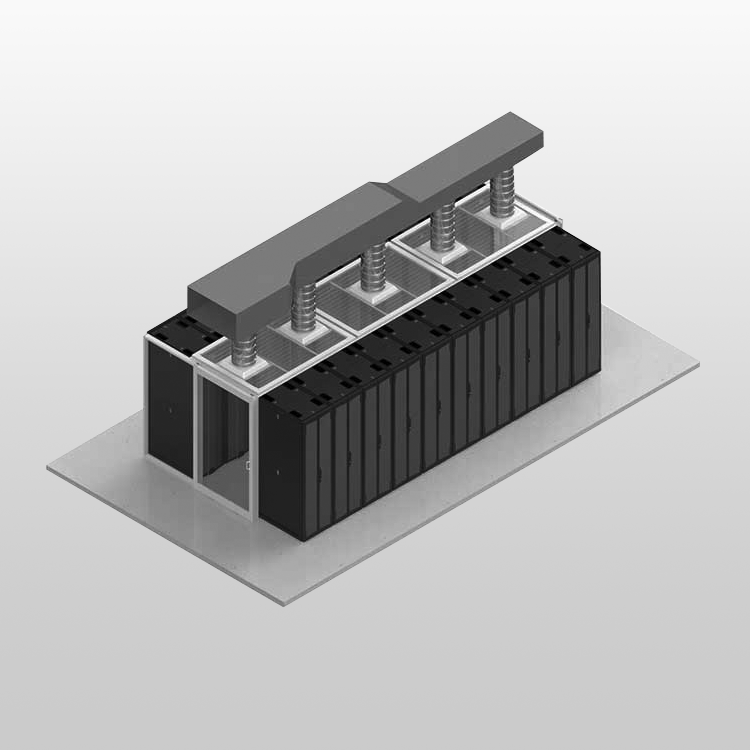
Cold Aisle Containment
Non-Raised Floor Example 1
Non-raised floor & overhead air conditioning system is present; containment is achieved through single sliding doors, custom ceiling panels, and cooling being ducted into the aisle via the Polar Roof and diffusers.
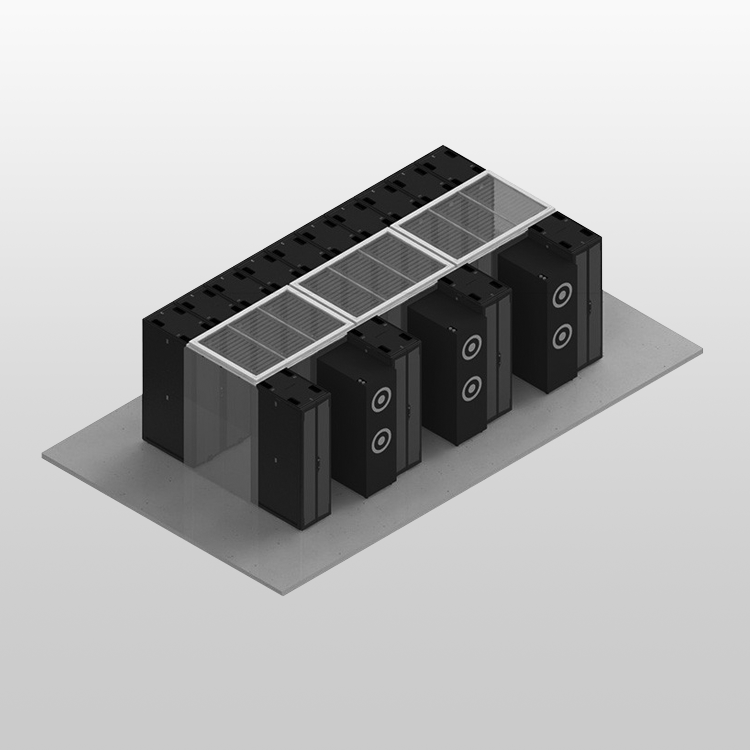
Cold Aisle Containment
Non-Raised Floor Example 2
Based upon the Rack Hat System, this cold aisle containment project comprises vinyl strip doors, vinyl Rack Hat, and the Polar Roof system.
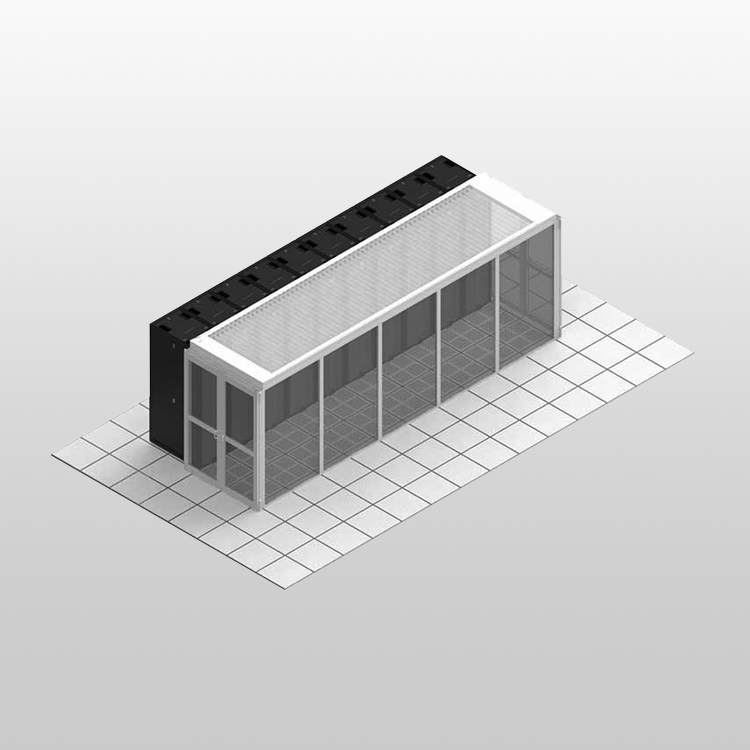
Cold Aisle Containment
Raised Floor Example 1
With cooling provided through a raised floor, this cold aisle containment project uses rigid wall panels in conjunction with the Polar Cap 2 roof system to provide containment in aisles with missing rows.
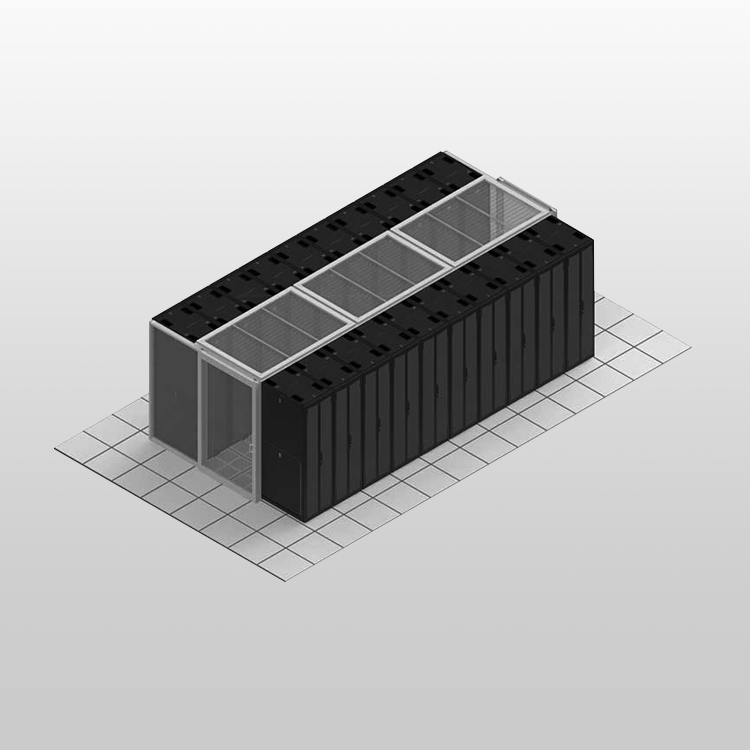
Cold Aisle Containment
Raised Floor Example 2
Cold aisle containment system featuring raised flooring, perforated floor tiles, single sliding doors and the Polar Roof system.
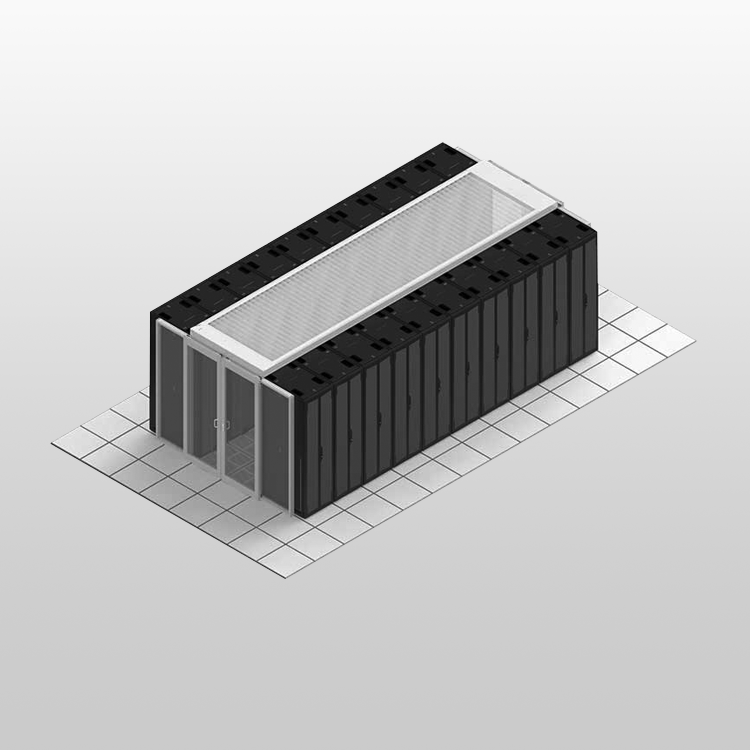
Cold Aisle Containment
Raised Floor Example 3
Cold aisle containment system featuring raised flooring, perforated floor tiles, dual sliding doors and the Polar Cap 2 retractable roof system.
Is Cold Aisle Containment Right for Your Data Center?
Cold aisle containment works in virtually any data center using traditional air cooling, but some facilities see faster returns than others.
If you’re delivering cold air through a raised floor with perforated tiles, CAC is straightforward. The infrastructure already exists. Add doors at aisle ends and a ceiling system above racks, and you’ve separated hot from cold air. Positive pressure in the contained aisles means cold air goes where it should: directly into equipment intakes.
Facilities with ceiling obstructions or low ceiling heights often can’t do hot aisle containment without major modifications. CAC doesn’t need overhead return paths or ceiling plenums. You’re working with the cold air delivery system already in place.
Retrofit projects work particularly well with CAC because installations happen during normal operations. No extended shutdowns and no major structural work. Systems configure around your existing equipment and infrastructure. Most projects are completed within days, not weeks.
Frequently Asked Questions
What is a cold aisle containment system?
Cold aisle containment encloses the aisle where cold supply air flows to IT equipment intakes. Doors at aisle ends prevent cold air from escaping. Ceiling panels or lids keep cold air from rising above racks and mixing with hot exhaust. The physical barriers create a zone where only cold air exists, separated from the hot exhaust air returning from server rear vents to cooling units.
Which is better, hot aisle or cold aisle containment?
Neither approach performs better from a thermodynamics perspective. Both prevent hot and cold air from mixing, and both deliver similar energy efficiency improvements. The choice comes down to your facility’s existing infrastructure. Cold aisle works well when you’re delivering cold air through raised floors and don’t have a ceiling plenum return, along with concrete slab floor designs that flood the room with cold supply air. Hot aisle works well when you have drop ceiling plenums or ducted return systems already in place. Match the containment type to what your facility already has rather than what performs better, because performance is essentially equivalent.
What is the temperature of cold aisle containment?
Contained cold aisles maintain temperatures within 2°F (1.1°C) from bottom to top of racks, compared to temperature differentials of 10°F (5.5°C) or more in non-contained environments. Supply temperatures depend on your facility setpoints, but ASHRAE recommends IT equipment inlet temperatures no higher than 80.6°F (27°C). Containment enables you to operate at higher setpoints (saving energy) while keeping all IT equipment inlets below ASHRAE recommendations.
Can cold aisle containment be added to existing data centers?
Yes, and most installations happen during normal operations without requiring facility shutdowns. Modular construction configures around existing equipment, obstructions, and infrastructure constraints. If you have raised floors, installation is straightforward since the cold air delivery infrastructure already exists. You’re adding containment to what’s already there. Facilities without raised floors use alternative cold air delivery methods that integrate with the containment design. Most projects are completed within days rather than weeks, and the work happens during regular business hours.
What maintenance is required for CAC systems?
Not much. Sliding doors vertical and roof panels need periodic inspection of seals and hardware. Check them during regular facility maintenance rounds. Vinyl curtain systems need checking for tears or wear from normal use. Most maintenance involves visual inspection and basic cleaning, nothing specialized. You don’t need special tools or extensive training. The materials are durable and designed to withstand data center environments for years without constant attention.
How much space does cold aisle containment require?
Door frames add about 2-4 inches at aisle ends, and ceiling systems install above racks without increasing your floor space requirements. In many cases, containment actually improves your space efficiency because it enables full rack population from bottom to top. Without containment, many facilities leave at least the top 15% of rack space empty due to temperature concerns. With containment, that space becomes usable, increasing your effective capacity within the same footprint rather than consuming additional square footage.
Related Resources

Hot Aisle Containment
Compare cold and hot aisle approaches to see what fits your facility infrastructure and constraints.
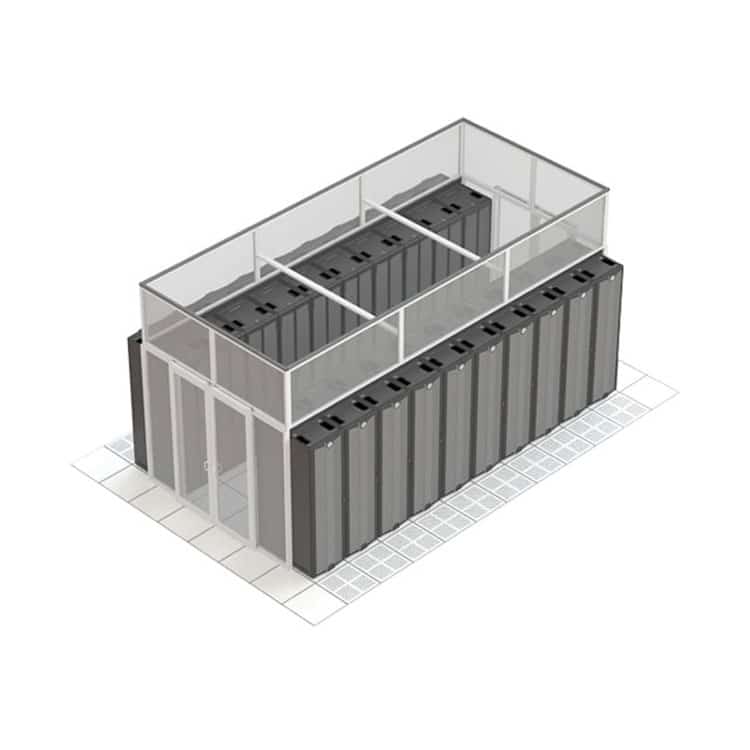
Data Center Containment Overview
Learn the fundamentals of why containment matters for cooling efficiency and energy savings.

AisleFrame Containment System
Freestanding containment that doesn’t require ceiling grids or raised floors.