




WHAT IS HOT AISLE CONTAINMENT
Hot aisle containment consists of a physical barrier that guides hot exhaust airflow back to the AC return.
Hot aisle containment (HAC) takes advantage of the natural properties of warm air rising. The HAC system directs the upward airflow to an AC return system such as a drop-ceiling void. The HAC can increase cooling efficiency by 30% or more. Several cascading adjustments include temperature and RH set points, lower AC fan speeds, and an increased chilled water set point.
Quantified Performance Improvements from Real Deployments
Hot aisle containment delivers measurable efficiency gains across multiple operational metrics. The following data comes from actual SubZero Engineering installations and verified case studies:
Temperature Optimization
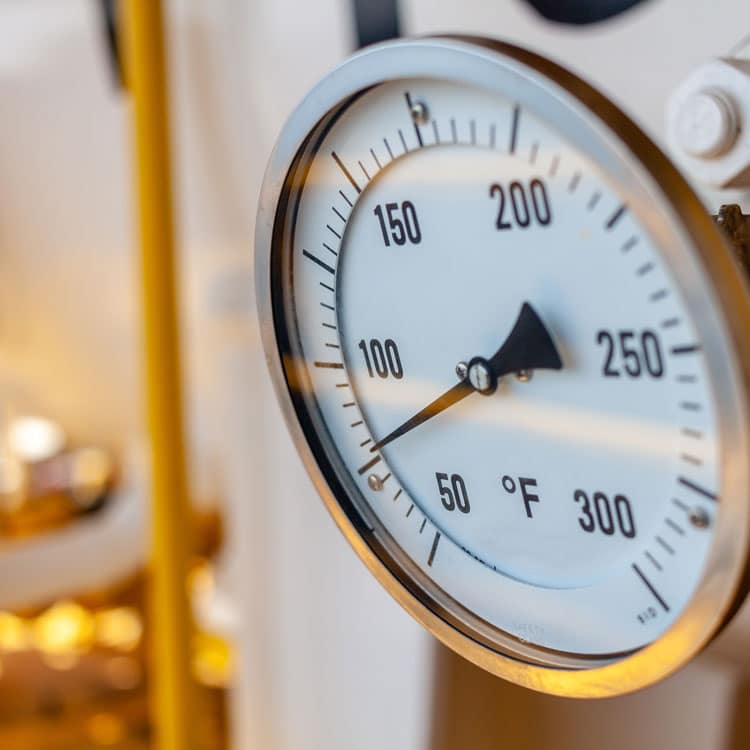
A Virtustream data center deployment reduced supply air temperature by 10°F (5.5°C) after containment installation. Temperature differential from bottom to top of racks decreased from over 10°F (5.5°C) to just 1°F (0.55°C), eliminating hot spots and enabling higher setpoint temperatures.

Cooling Capacity Improvements
Hot aisle containment can double cooling unit capacity by ensuring hot, dry air returns directly to cooling coils. The same cooling infrastructure supports significantly higher IT loads when containment prevents hot and cold air mixing.

Energy Efficiency Gains
U.S. General Services Administration estimates 4% to 5% energy cost savings for every 1°F (0.55°C) increase in server inlet temperature. Containment installations typically enable 10°F (5.5°C) setpoint increases, translating to large reductions in cooling energy consumption. A Host.net colocation facility increased facility setpoint from 72°F (22.2°C) to 75°F (23.9°C)while maintaining consistent cold aisle temperatures and lowering overall energy consumption.
Fan Speed Reduction
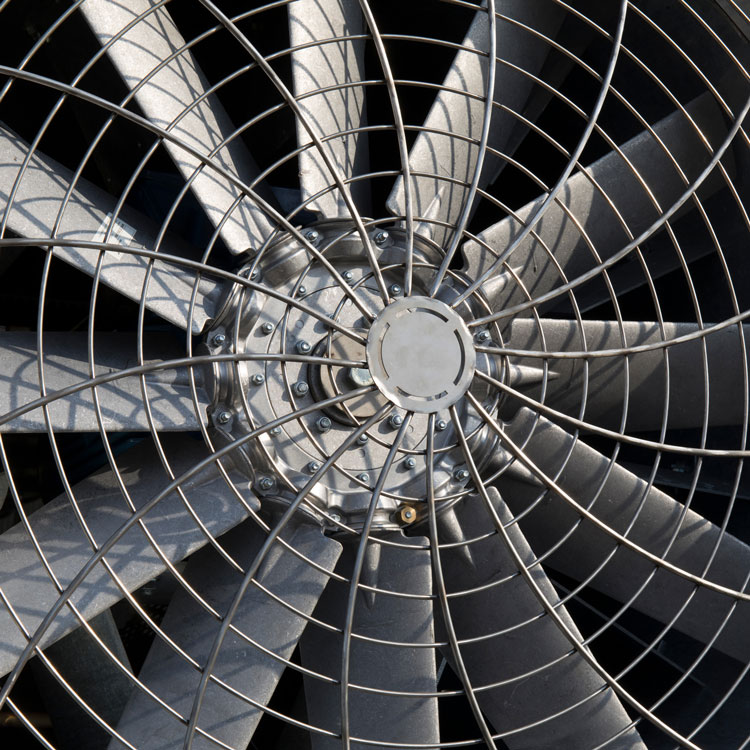
Eliminating bypass air reduces cooling unit fan speeds while maintaining adequate airflow. Based on fan affinity laws, decreasing fan speed from 100% to 80% reduces total fan power consumption by approximately 50%.

Utility Rebate Results
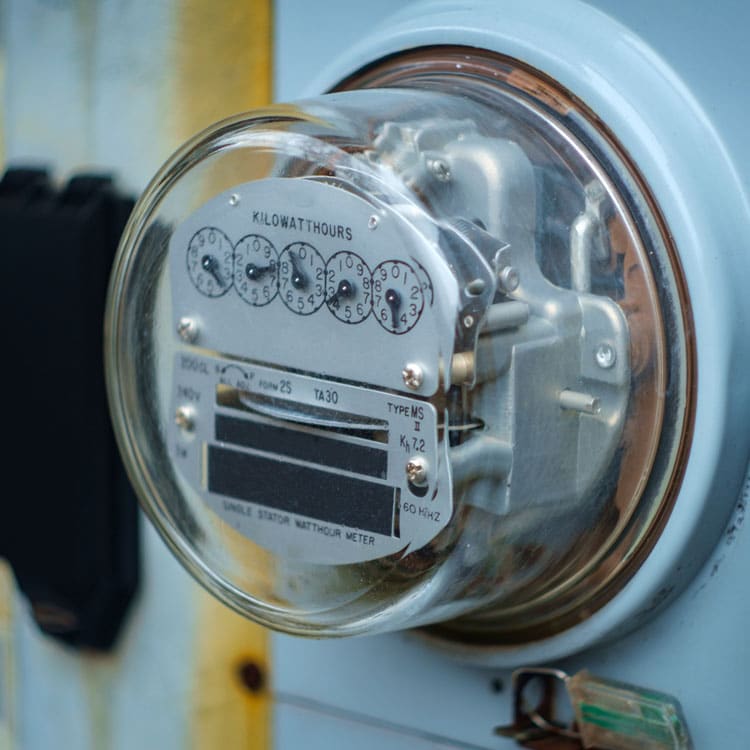
Virtustream’s containment installation generated 544,521.5 kWh in annual energy savings, resulting in a $49,777.72 utility rebate from Pacific Gas and Electric Company. The project achieved ROI in under 18 months.
PUE Improvements
Containment installations help reduce Power Usage Effectiveness (PUE) by lowering the overall colling energy needed to operate the data center. Combined with increased setpoints and reduced fan speeds, facilities achieve rapid ROI typically between 6 and 18 months.
Temperature Stability
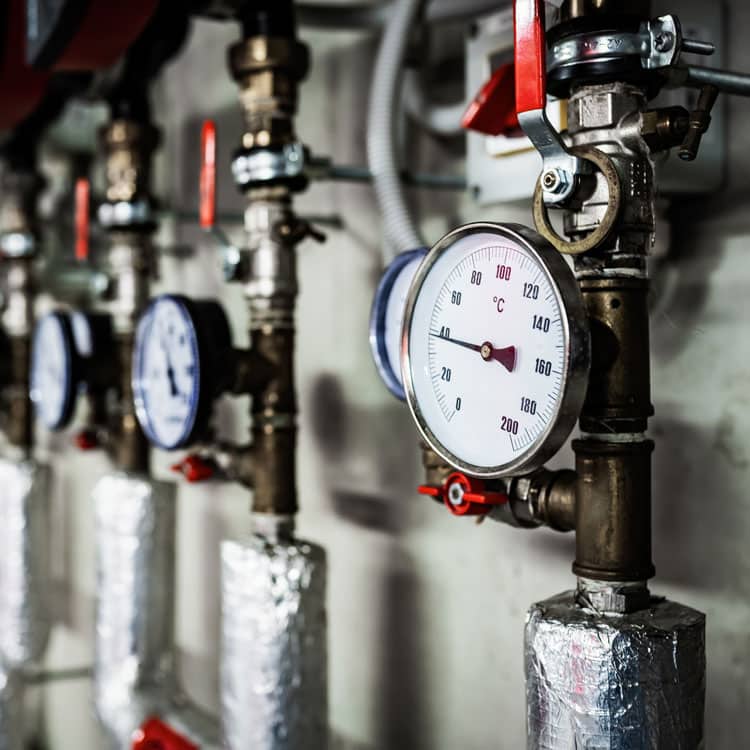
Contained systems maintain inlet temperatures within 2°F (1.1°C) or less across all rack positions. This consistency extends equipment life, increases Mean Time Between Failures (MTBF), and enables higher rack power densities.
SEEING IS BELIEVING — PROJECT EXAMPLES
Hot Aisle Containment Solutions
With over 35 years designing airflow solutions for mission-critical environments worldwide, we know that every degree of efficiency matters. The projects below represent custom hot aisle containment configurations engineered for specific facility constraints, equipment layouts, and cooling requirements. Each installation addresses unique challenges while delivering measurable cooling capacity improvements. These are actual customer projects, custom designed for their unique challenges.
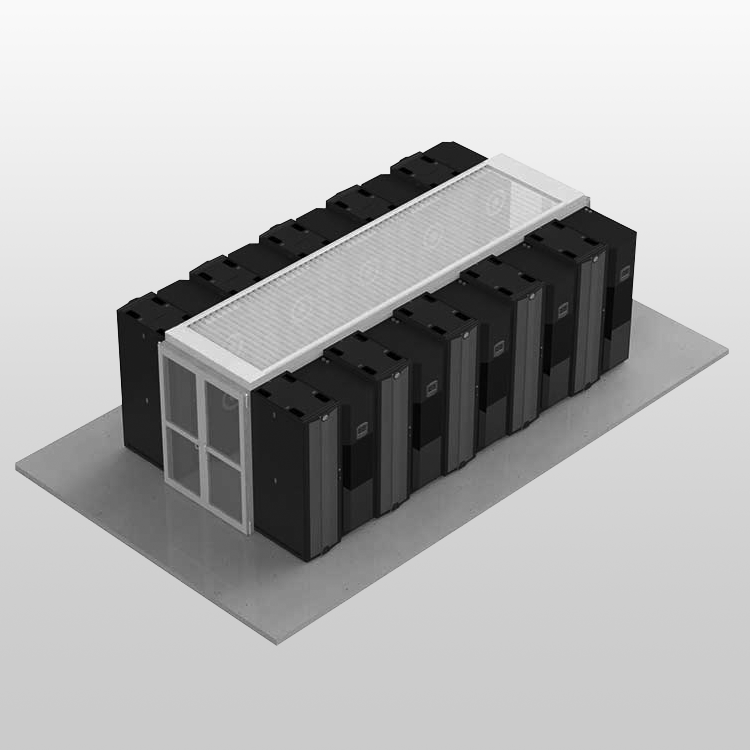
Hot Aisle Containment
Non-Raised Floor Example
Based on a non-raised floor environment, this hot aisle containment project uses dual hinged doors and the Polar Cap 2 retractable roof system. The Polar Cap 2 provides service access to rack tops while maintaining containment during normal operations.
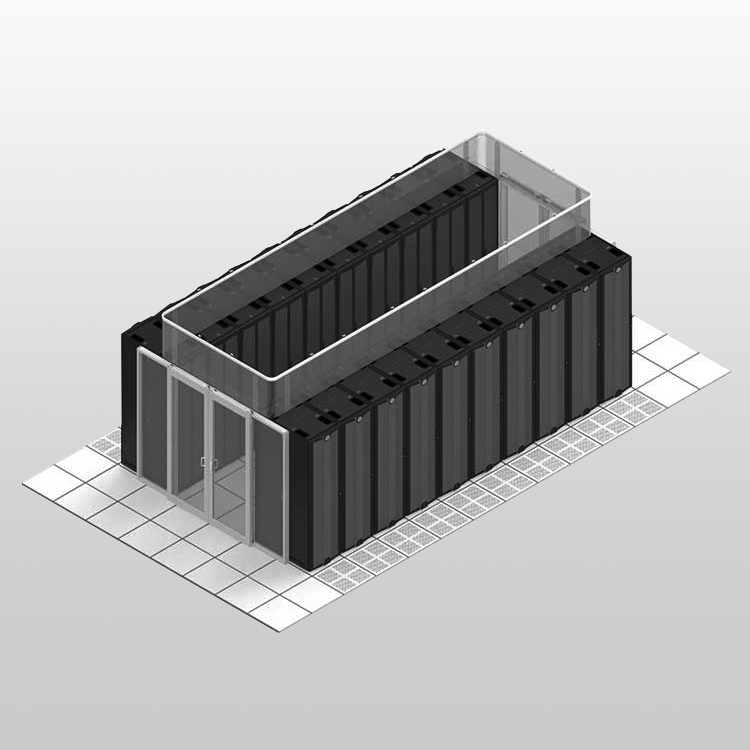
Hot Aisle Containment
Raised Floor Example 1
Hot aisle containment with raised flooring, dual sliding doors, and vinyl Rack Hat between the ceiling and cabinets. Sliding door configuration accommodates high-traffic aisles without swing clearance requirements.
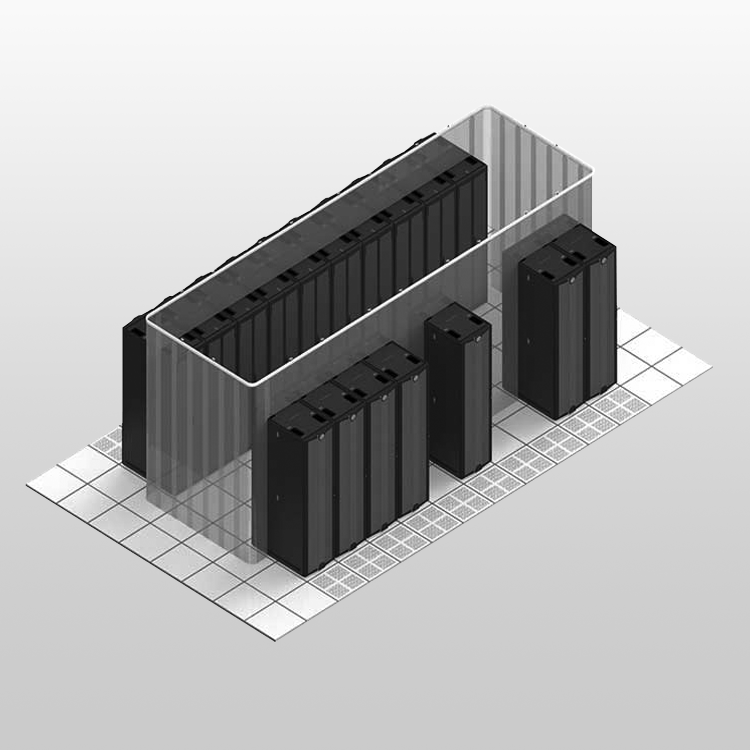
Hot Aisle Containment
Raised Floor Example 2
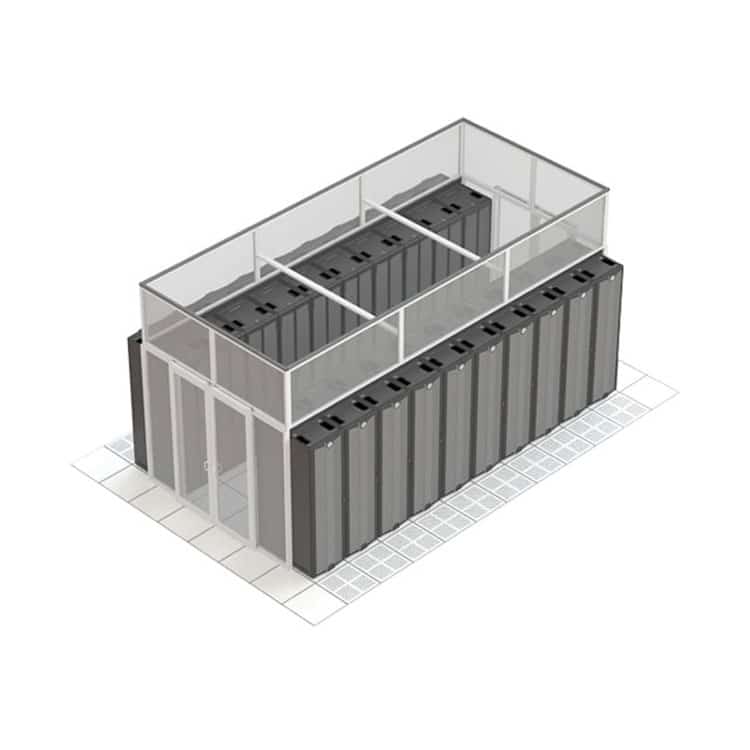
Hot aisle containment through raised flooring, vinyl strip doors, and vinyl Rack Hat of varying height to provide containment in gaps between ceiling, cabinets, and potential missing cabinets. Flexible strip door solution maintains containment while allowing frequent personnel access.
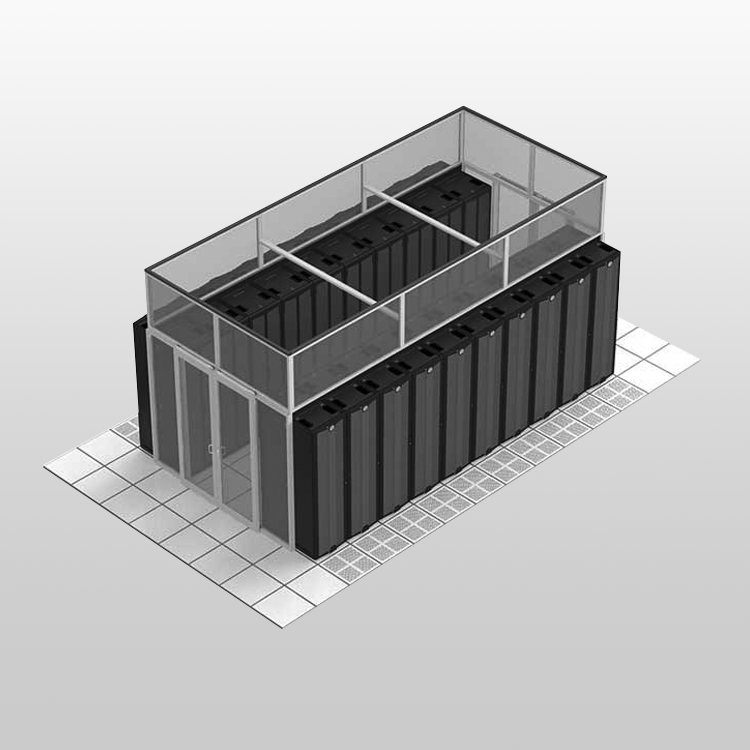
Hot Aisle Containment
Raised Floor Example 3
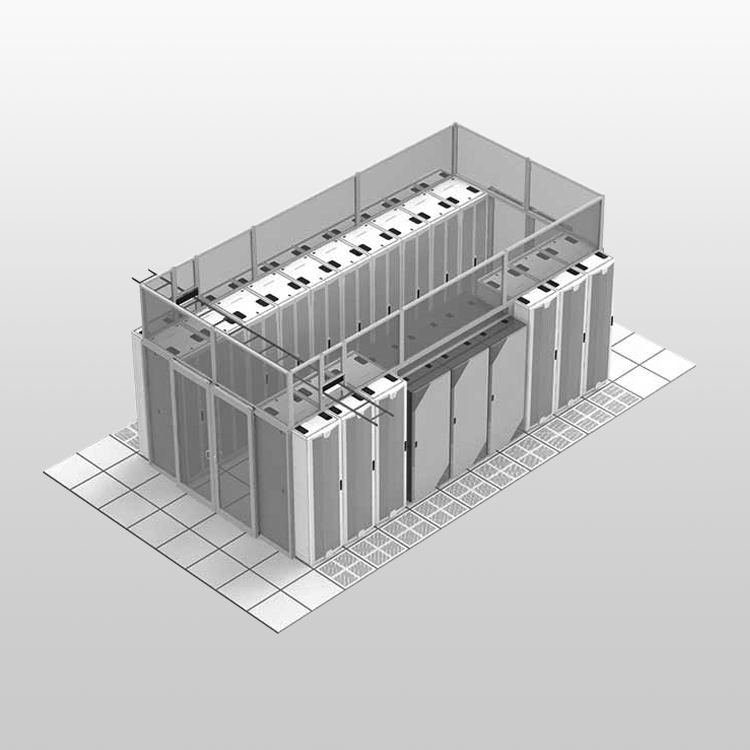
Hot aisle containment system with raised flooring, dual sliding doors, and rigid wall panels. Rigid panel construction provides maximum containment performance for high-density environments.
Hot Aisle Containment
Raised Floor Example 4
Hot aisle containment system with raised flooring, dual sliding doors, and rigid wall panels. Configuration optimized for facility with existing raised floor infrastructure and standard ceiling heights.
Frequently Asked Questions About Hot Aisle Containment
What is the difference between hot aisle and cold aisle?
Hot aisle containment captures hot exhaust air from server equipment and directs it back to cooling units through physical barriers like doors, panels, and ceiling systems. Cold aisle containment encloses the aisle where cold air supplies IT equipment intakes. Both prevent hot and cold air mixing, improving cooling efficiency. The choice depends on facility design, and ceiling infrastructure availability.
What should the temperature be in a data center?
ASHRAE recommends IT equipment inlet temperatures no higher than 80.6°F (27°C) for optimal operation. Hot aisle containment enables facilities to operate safely at higher setpoints within ASHRAE guidelines while maintaining equipment reliability. Real-world deployments show facilities increasing setpoints by 10°F (5.5°C) or more after containment installation, significantly reducing cooling energy consumption by 40-50% while keeping all server inlet temperatures below ASHRAE recommendations.
How does hot aisle containment work?
Hot aisle containment uses physical barriers to capture hot exhaust air from server equipment rear intakes. Aisle end doors prevent hot air from escaping around aisle ends. Containment above the racks (rigid panels or vinyl curtains) and a drop ceiling plenum capture rising hot air and direct it back to cooling unit returns. This separation ensures cooling units receive hot, dry air that maximizes cooling efficiency while cold supply air reaches IT equipment without mixing with hot exhaust air.
How does hot aisle containment improve energy efficiency?
Hot aisle containment improves energy efficiency through multiple mechanisms.
- First, separating hot and cold air eliminates bypass air (wasted cooling) and recirculation air that causes IT equipment hot spots.
- Second, consistent temperatures across all rack server inlets enable higher cooling setpoints. The U.S. General Services Administration estimates 4-5% energy savings for every 1°F (0.55°C) increase in supply temperature .
- Third, eliminating bypass air allows CRAC fan speeds to reduce by 20%, cutting fan power consumption by approximately 50% based on fan affinity laws.
Typical installations significantly reduce data center PUE with ROI between 6 and 18 months.
Is hot aisle containment better than cold aisle containment?
Neither approach is universally better. From a thermodynamics perspective, both deliver similar energy efficiency results because they accomplish the same goal: preventing hot and cold air from mixing. The choice depends on facility-specific factors. Hot aisle containment works well with ceiling plenums or ducted returns and is often used with non-raised floor designs (slab floors) and is also typically preferred for in-row cooling deployments. Cold aisle containment suits facilities with raised floor cold air delivery or limited ceiling infrastructure. Both systems enable higher supply temperature setpoints, lower fan speeds, and increased rack power density when properly implemented.
Can hot aisle containment systems be customized for any data center?
Yes. Hot aisle containment configures for virtually any data center environment regardless of ceiling type, height, or existing infrastructure. Custom configurations accommodate obstructions, non-standard layouts, and unique facility constraints. Solutions include rigid panel systems, vinyl curtain containment, and various door configurations (dual hinged, dual sliding, strip doors). The containment design adapts to your facility’s requirements rather than forcing infrastructure changes to match standard configurations.
Learn More About Data Center Containment

Cold Aisle Containment
Compare hot aisle and cold aisle approaches to determine the best fit for your facility design.
Data Center Containment Overview
Understand the fundamentals of containment and why it matters for cooling efficiency.

AisleFrame Containment System
Explore freestanding containment solutions that don’t rely on ceiling or raised floor infrastructure.
Thoroughly understand your Options
The decision affects the longevity of your facility and your bottom line
Intelligent data center solutions begin with understanding your unique situation. Let us educate you in the latest insights and options, so you can make informed and confident decisions for your facility.